
Choosing office space in Malta is a significant business decision. The right premises influence much more than where employees arrive each morning. Location, accessibility, infrastructure, layout and building management can all affect productivity, recruitment, client experience and the ability of a company to grow.
It is therefore worth looking beyond square metres and monthly rent.
An office may appear suitable during a viewing, but businesses should consider how it will perform once occupied and whether it can continue meeting their requirements several years from now.
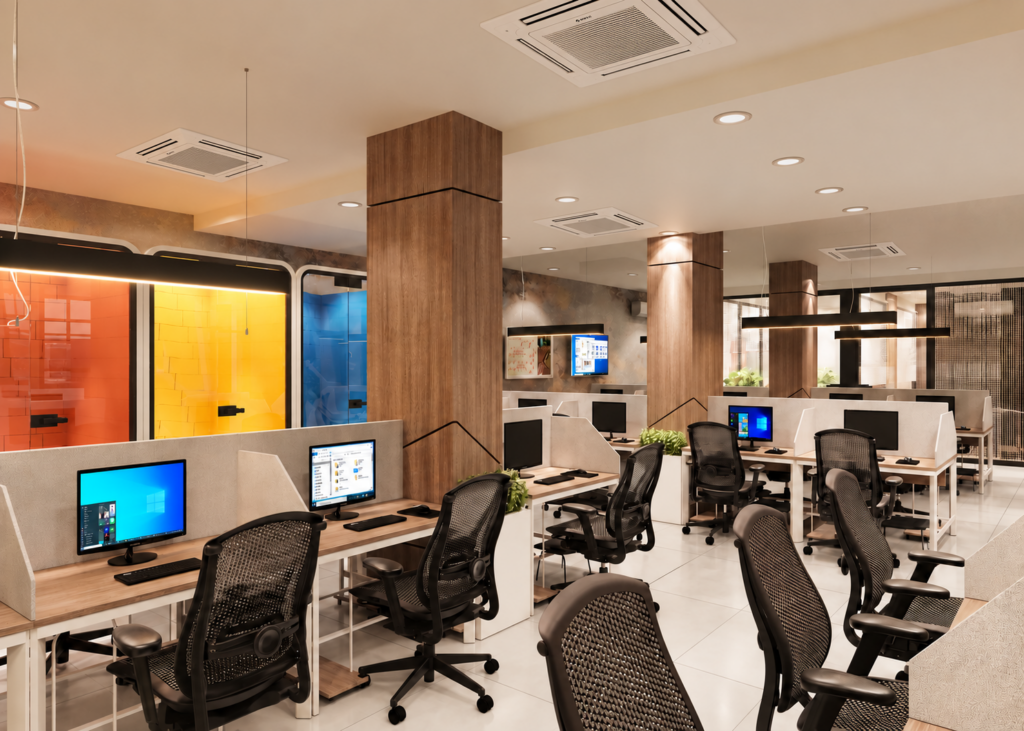
At GT Group, our experience developing and managing commercial property in Malta has shown us that successful office environments combine practical considerations with long-term thinking. Here are some of the most important factors businesses should consider when choosing their next office space.
Start with the right office location
Location remains one of the first considerations when searching for office space in Malta, but “good location” means different things to different businesses.
Rather than choosing an area based on reputation alone, consider how the location supports daily operations. Where do employees travel from? How easily can clients reach the office? Are important suppliers or professional services nearby? How well connected is the area to Malta’s main road network?
Central locations such as Birkirkara and San Ġwann can offer practical advantages for businesses because of their accessibility from different parts of the island.
The right office location should work for the people who use it regularly, not simply look good on an address.
Consider accessibility and parking
In Malta, accessibility can quickly become an everyday operational issue.
Businesses should consider how employees, clients, suppliers and visitors will reach the property. Parking availability can be particularly important, especially for organisations with larger teams or frequent visitors.
The journey should also be considered beyond the parking space itself. Entrances, lifts, common areas and routes through the building all contribute to accessibility.
When comparing commercial properties in Malta, these practical details can have a considerable influence on the experience of occupying the building.
Look beyond total square metres
Two offices with the same floor area can function very differently.
Usable space matters more than a number on a property listing. Awkward circulation, poorly positioned structural elements or inefficient layouts can reduce the amount of space that genuinely supports the business.
Before signing an office lease, consider how different departments will be positioned, how employees move between spaces, where meetings take place and whether there is an appropriate balance between collaborative and focused working areas.
Effective workspace planning can often allow a business to achieve more from the space it already has.
The question should not simply be, “Is this office big enough?” It should be, “Can we use this office well?”
Think about flexibility from the beginning
Businesses change, sometimes considerably, during the lifetime of an office lease.
Teams expand. Departments restructure. Hybrid working policies evolve. Technology changes how people work. An office that fits the organisation perfectly today may need to accommodate very different requirements in three or five years.
Flexible office space can make those changes easier to manage.
When viewing business premises in Malta, look at whether layouts can be adapted without major structural intervention. Consider whether meeting rooms can be reconfigured, departments expanded or work areas reorganised.
The ability to adapt can reduce the need for expensive alterations or premature relocation later.
Assess the building’s infrastructure
A visually impressive office can quickly become frustrating if the infrastructure behind it does not perform.
Businesses should understand the electrical capacity, internet connectivity, air conditioning and ventilation systems, access controls, security provisions and other technical infrastructure available within the commercial building.
Requirements will naturally differ between organisations. A technology company may place particular importance on connectivity and server infrastructure, while another business may prioritise meeting facilities or access arrangements.
Understanding these requirements before choosing an office space helps prevent operational limitations after moving in.
Pay attention to building management
One factor that is frequently overlooked during an office search is what happens after the lease is signed.
Who manages the building? Who handles maintenance issues? How are common areas maintained? How quickly are problems addressed? How is information communicated to tenants?
Professional commercial property management can make a significant difference to the daily experience of occupying an office.
At GT Group, we believe a commercial building does not stop being our responsibility once a business moves in. Managed office space should provide tenants with an environment where building operations happen reliably in the background, allowing them to concentrate on running their business.
Consider the employee experience
Office space has become an important part of how businesses attract, retain and support their people.
Natural light, temperature, acoustics, breakout spaces and general comfort can all influence how employees experience their working day.
This does not mean every office needs elaborate facilities. It means the fundamentals should work well.
A thoughtfully planned workplace can support concentration, collaboration and communication while creating an environment employees are comfortable returning to each day.
When comparing office space in Malta, spend time considering the property from an employee’s perspective rather than looking at it solely as a commercial real estate decision.
Think about what clients will experience
For businesses that regularly welcome clients, the office also becomes part of the company’s identity.
The building exterior, entrance, reception areas, signage, parking and common spaces all contribute to a visitor’s first impression before they reach the office itself.
A professional commercial environment can reinforce the standards a business wants to communicate.
Your office address does not define your company, but it can certainly contribute to how your company is experienced.
Understand the full cost of occupancy
Rent is important, but it should not be considered in isolation.
Businesses should understand service charges, utilities, parking costs, maintenance responsibilities, fit-out requirements and any investment required to make the office operational.
A cheaper office may not necessarily provide better long-term value if significant upgrades are required or operational costs are consistently higher.
Comparing the complete cost of occupying different commercial properties provides a more realistic basis for making a decision.
Choose an office for where your business is going
Perhaps the most important consideration is the future.
Before committing to an office lease in Malta, businesses should think about their expected headcount, operational plans and likely workspace requirements over the duration of the agreement.
At GT Group, we develop and manage commercial properties with this longer-term perspective in mind. From office layout and infrastructure to maintenance and property management, each element contributes to how successfully a workspace supports the businesses inside it.
Choosing the right office space is ultimately about finding an environment that works today without limiting tomorrow.
Because the best business premises do more than provide somewhere to work. They give businesses the space, infrastructure and confidence to keep moving forward.