
Some of the most valuable lessons about buildings are not learned in meeting rooms, design presentations, or planning applications. They are learned by walking through buildings every day.
For those who manage commercial properties, oversee maintenance, coordinate projects, and interact with tenants regularly, buildings reveal a surprising amount about how they function over time. You begin to notice patterns. You see what works, what gets ignored, and what quietly creates problems before anyone realises they exist.
At GT Group, managing and maintaining commercial properties is part of what we do. That means spending time inside buildings long after construction is complete. It means observing how spaces are used, how systems perform, and how people interact with their environment.
The result is a different perspective on property. One that focuses less on drawings and specifications, and more on how buildings perform in real life.
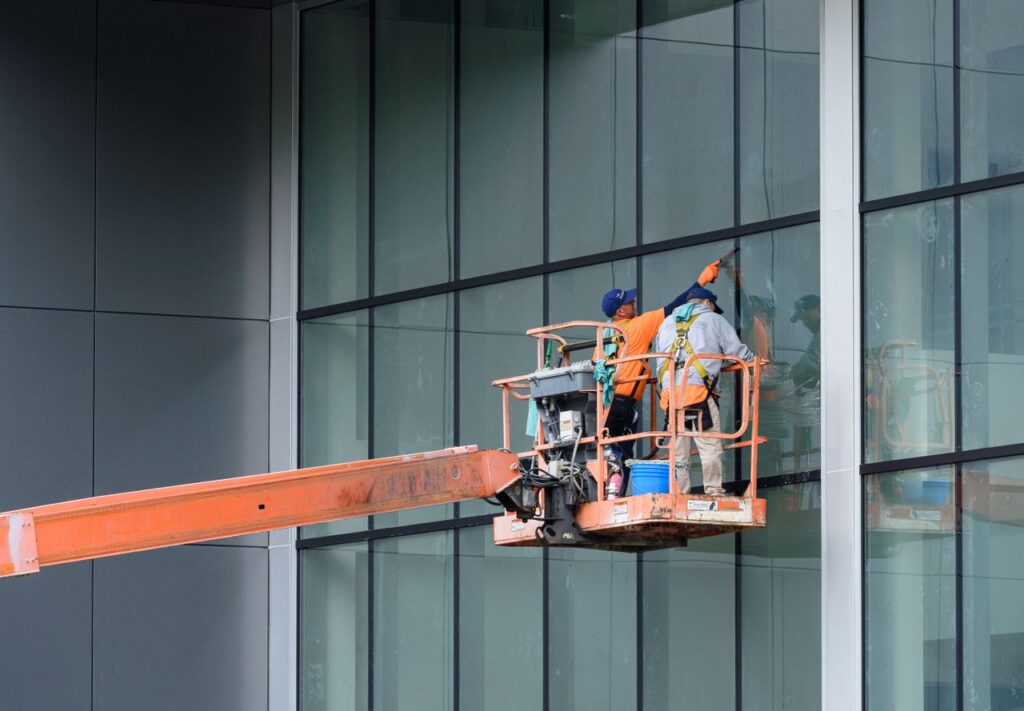
Buildings always tell you where attention is needed
One of the first things you learn is that buildings rarely keep their problems hidden for long.
A door that closes awkwardly. A light fitting that repeatedly requires attention. A section of flooring that wears faster than expected. A common area that never quite feels comfortable.
Individually, these issues may seem minor. Collectively, they often reveal something larger.
Buildings communicate through patterns. Repeated maintenance requests, recurring wear points, and operational inefficiencies usually point to underlying causes rather than isolated incidents.
Property management is not only about fixing problems. It is about recognising these patterns early and understanding what they are trying to tell you.
The busiest areas reveal the most
If you want to understand how a commercial building really works, watch where people naturally gather.
Meeting areas, reception spaces, circulation routes, kitchens, breakout areas, and shared facilities often tell a more accurate story than any floor plan.
Workplace designers and property managers can spend months planning a space, but occupants ultimately decide how it will be used.
Sometimes a meeting room is constantly occupied while another sits empty. Sometimes an informal seating area becomes the most popular space in the building. Occasionally, a corridor becomes a meeting point despite never being designed for that purpose.
These observations provide valuable insight into workplace design, office space planning, and commercial property management.
Good buildings adapt to how people behave. Great buildings anticipate it.
Maintenance issues are rarely just maintenance issues
One lesson that becomes clear very quickly is that maintenance problems often have broader implications.
An air conditioning complaint may be linked to occupancy levels. A lighting issue may affect productivity. A drainage problem may reveal a larger infrastructure concern.
This is why preventative maintenance is so important in commercial property management. Addressing issues early protects not only the building itself but also the experience of the people who use it.
At GT Group, we believe maintenance should be proactive rather than reactive. The goal is not simply to respond to problems. It is to reduce the likelihood of them occurring in the first place.
Small details have a bigger impact than most people realise
People often associate commercial property value with major features. Location, office size, parking availability, and infrastructure are certainly important.
However, daily building experience is often shaped by much smaller details.
Clean common areas. Reliable access systems. Consistent temperatures. Responsive maintenance. Clear communication.
These are not necessarily the elements that appear in property advertisements, but they are often the ones tenants remember.
A well-managed commercial property tends to feel organised, professional, and dependable. Occupants may not always identify why, but they notice the difference.
The opposite is also true. Small frustrations accumulate over time and gradually influence how people perceive the building.
Buildings age according to how they are treated
Walking through different properties every day quickly highlights another reality. Buildings age differently.
Some properties continue to perform exceptionally well years after completion. Others begin to deteriorate much sooner.
The difference is not always construction quality alone. Maintenance practices, operational decisions, tenant behaviour, and long term management all play a role.
Buildings that receive consistent attention tend to retain their value, appearance, and functionality. Those that are neglected often experience accelerated decline.
This is one reason property management has such a significant influence on long term asset performance.
A building’s lifespan is not determined solely by how it was built. It is also determined by how it is managed.
Tenants notice more than owners sometimes think
Property owners often focus on major capital improvements, while tenants frequently notice everyday operational details.
They notice whether maintenance requests are handled promptly. They notice whether common areas are clean. They notice whether communication is clear and consistent.
In commercial property, tenant satisfaction is often influenced by responsiveness rather than perfection.
No building operates without occasional issues. What matters is how those issues are addressed.
At GT Group, one of the most valuable lessons we have learned is that trust is built through consistency. Tenants appreciate knowing that concerns will be acknowledged and resolved professionally.
Good buildings make work easier
One observation stands out across almost every commercial property.
The best buildings tend to disappear into the background.
People can focus on their business because the environment supports them. Systems function properly. Facilities are maintained. Spaces work as intended.
There is no constant distraction caused by operational problems.
This may sound simple, but it is one of the clearest indicators of successful commercial property management.
A well-performing building allows occupants to concentrate on what they came there to do.
The best lessons happen after construction ends
Construction often receives most of the attention within the property industry. It is visible, exciting, and easy to document.
Yet some of the most important lessons emerge after the project is complete.
They come from observing how people use spaces, how buildings respond to daily demands, and how maintenance and management influence long term performance.
At GT Group, these observations shape how we think about commercial property, workplace environments, building maintenance, and project planning.
Because the true test of a building is not how it performs on the day it opens.
It is how it performs every day after that.
And when you spend enough time walking through buildings, you learn that the smallest details often tell the biggest stories.