
In 2025, property value is no longer determined by location and square metres alone. Energy efficiency has become one of the most influential factors in how real estate, both commercial and residential, is evaluated, marketed, and sold. Buildings that consume less, perform better, and comply with modern energy standards are increasingly seen as safer, more sustainable, and more desirable investments.
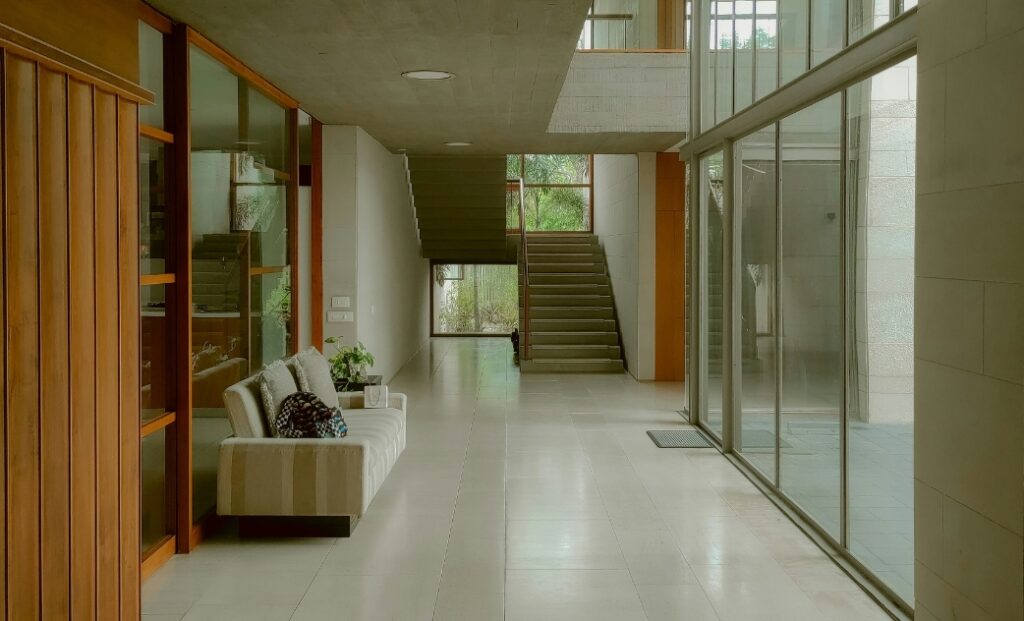
At GT Group, we understand this evolution. Our buildings currently achieve C energy ratings, meeting the established national performance standards while continuing to evolve toward higher efficiency targets. Every new material, system, or design decision is made with long-term performance in mind, because in today’s market, sustainability is not a feature. It’s a foundation for value.
Here is how energy efficiency is shaping property value and investment strategy.
Regulatory Pressure Has Turned Into Market Expectation
Energy performance certification is no longer a formality. Across Malta and Europe, regulations have become a core part of how buildings are assessed and financed. A strong energy rating can improve marketability, enhance resale potential, and attract quality tenants or buyers seeking alignment with Environmental, Social, and Governance (ESG) goals.
Financial institutions are also placing greater emphasis on energy ratings. Properties that meet or exceed energy benchmarks can qualify for more favourable financing terms, while those that fall below are increasingly seen as higher-risk assets. In this environment, energy efficiency isn’t just about cutting consumption; it’s about improving access to capital and maintaining competitiveness.
Operational Costs Are a Direct Reflection of Design
Energy performance begins with design. The way a building is planned, insulated, and ventilated has a direct impact on how much energy it consumes day to day. Efficient insulation, LED lighting, and intelligent HVAC systems all contribute to lower utility costs and better occupant comfort.
For property owners, these details translate into long-term value. Buildings with higher efficiency experience lower running costs, fewer maintenance disruptions, and reduced tenant turnover. Even a modest improvement in a building’s energy rating can deliver meaningful savings over time, increasing both financial and operational stability.
Green Buildings Attract Better Tenants
Today’s tenants are increasingly mindful of energy performance, whether for cost management, ESG commitments, or corporate image. Occupying an efficient building is no longer just about doing the right thing; it’s about aligning with modern business standards and investor expectations.
From international corporations to local enterprises, energy efficiency has become part of the decision-making process. Buildings that can demonstrate measurable performance data and certification hold a clear advantage in Malta’s growing commercial market.
Retrofitting Is Gaining Value, But New Builds Still Lead
Not every building can be newly built to the latest standards. Retrofitting existing properties with efficiency upgrades, such as improved insulation, smart meters, or solar integration, has proven to deliver strong returns. These enhancements not only extend a building’s life but also boost its appeal to future tenants and buyers.
At GT Group, we view retrofitting as a practical, impactful way to improve asset performance. While our buildings currently achieve C ratings, we are continually exploring how modern materials and smart systems can elevate those results and enhance long-term resilience.
Valuation Models Have Evolved
Valuers and investors are increasingly factoring in operational performance when determining property value. Energy data, once peripheral, is now part of the core assessment. A building’s efficiency can influence everything from rent potential to sale price.
Elements like façade orientation, thermal bridging, and energy metering systems now play measurable roles in valuation. The market definition of a “high-value asset” is no longer limited to location and finish. Now it’s about performance, adaptability, and future readiness.
It’s Not Just About the Planet. It’s About Performance.
The environmental benefits of energy efficiency are well understood. But in real estate, the conversation is equally about performance and profitability. An efficient building is less costly to operate, more resilient to regulation, and better positioned for long-term value retention.
At GT Group, energy efficiency is part of how we design, build, and maintain our properties. From natural lighting strategies to system optimization, we focus on creating buildings that deliver lasting value, both for their occupants and their investors.
Looking Ahead: Smart Today, Valuable Tomorrow
The role of energy performance in property valuation will only continue to grow. In Malta and across Europe, efficiency standards are tightening, and market expectations are rising. Investors, developers, and tenants alike are prioritizing buildings that meet modern benchmarks and demonstrate measurable returns.
Whether you’re developing, leasing, or investing, energy efficiency should be central to your strategy, not just for compliance, but for competitiveness.
At GT Group, we continue to build for this future. Our buildings reflect a strong, reliable foundation, built to evolve, perform, and grow in a market that rewards sustainability, efficiency, and foresight.