
The idea of building your own family home has always carried a certain kind of weight. It is personal, ambitious, and deeply tied to the way people imagine their future. For most, it stays in the realm of dream boards and long-term plans. Not because the vision is unrealistic, but because the process is complex. Construction is not just about building walls. It is about managing risk, sequencing decisions, coordinating trades, and making sure every step is done properly.
For years, the concept of DIY homebuilding has sat somewhere between romantic and risky. It can feel inspiring in theory, but difficult to justify in practice. Especially when you understand how easily small errors can become expensive problems later on.
And yet, there is a shift happening. Not in the principles of good construction, but in the tools that are becoming available.
New technologies are changing what is possible on a jobsite. They are reducing human error, simplifying workflows, and making certain technical steps far more accessible. In the right context, with the right professional guidance, they could open the door to a new approach to homebuilding, even in Malta.
The reality behind every build
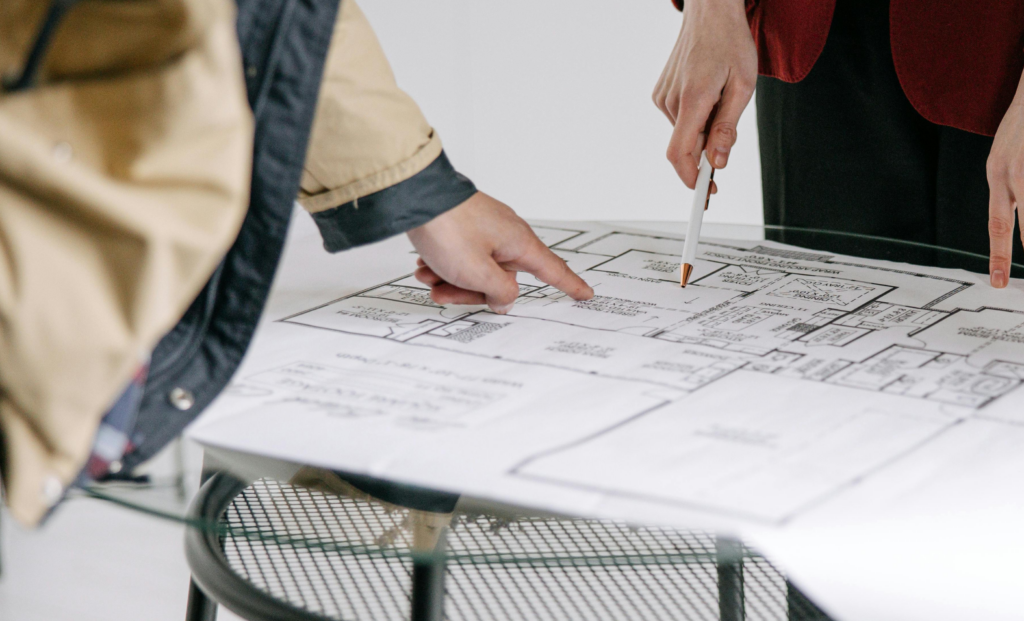
Anyone who has spent time on a construction site knows that a building is only as strong as the systems behind it. Planning, coordination, and precision are what keep a project moving forward. This is why traditional DIY homebuilding often raises concerns. Even with good intentions, it is easy to underestimate what is involved, from setting out and structural sequencing to material performance and compliance.
The problem has never been the idea of being hands-on. The problem has been the lack of tools and structure that allow non-specialists to contribute safely and meaningfully without compromising the integrity of the build.
This is where innovation begins to matter.
Technology that makes the job-site smarter
New construction technologies are not designed to replace skilled professionals. They are designed to support them and to reduce the margin for error. Some of the most promising tools emerging today focus on layout accuracy and build system simplicity, two areas that traditionally depend heavily on manual execution.
Dusty Robotics is a strong example. It brings automated layout technology to the jobsite by printing precise floor plans directly onto the ground. This reduces guesswork and improves accuracy, particularly in the early stages of construction where mistakes can create a chain reaction of delays and rework. When the layout is correct from the start, everything else becomes easier. Walls align properly, services run where they should, and the build progresses with fewer surprises.
Then there are modular and simplified building systems such as System 3E, which offer a more user-friendly approach to construction. These systems are designed to streamline the way structures are assembled, making certain steps more intuitive while still meeting performance standards. When combined with proper engineering input and quality control, they can reduce complexity and accelerate progress.
The core benefit is not speed for the sake of speed. These tools make the construction process more predictable, more efficient, and easier to manage.
What this could mean for Malta
Construction is often associated with intensity. Tight timelines, limited space, and the constant challenge of coordinating multiple moving parts. Malta has a market where quality can vary widely depending on the level of planning and oversight involved.
That is why tech-enabled construction could be especially valuable here. Tools that improve accuracy, minimise rework, and support better planning can raise overall standards without relying solely on traditional processes.
It is also worth noting that as the cost of building continues to rise, many homeowners are looking for ways to take greater control of the process. Not necessarily to cut corners, but to be more involved. Technology might help make that involvement realistic, provided it is paired with the right professional structure.
A hybrid model that still respects the fundamentals
It is important to say this clearly. No home should ever be built without professional oversight from an architect and structural engineer. Milestone inspections, technical reviews, and compliance checks are not optional. Safety, structural integrity, and long-term performance must always come first.
But within that framework, there is room for a different model. A hybrid approach where homeowners take a more active role in parts of the build, supported by systems that guide accuracy and simplify execution, while professionals maintain control over the critical technical decisions.
This is not a return to traditional DIY. It is a more structured, technology-supported version of being hands-on, without removing the expertise that construction depends on.
The future of homebuilding may be more personal than we expect
For those of us who work in construction, it is easy to be sceptical about DIY building. We see what goes wrong when oversight is missing. We see how quickly errors can escalate. But we also see the opportunity when the right tools are used and when the process is guided properly.
There is a real possibility that the next generation of homebuilding will include homeowners who are more involved, more informed, and more engaged in the process, not because they are trying to replace professionals, but because technology is making collaboration more achievable.
And for anyone who has ever wanted to build a home that feels deeply personal, that shift is worth paying attention to.
So the question becomes simple. If the technology made it more structured and more approachable, would you consider taking a hands-on role in building part of your own home in Malta?