
Business growth is usually discussed in terms of people, clients, revenue and new opportunities. But as a company evolves, the space it operates from needs to keep pace too.
An office that works perfectly for a business today may become restrictive as the team grows, working patterns change or operational requirements become more complex. By the time space becomes an obvious problem, however, the business may already be dealing with overcrowding, inefficient layouts or infrastructure that can no longer support what it needs.
Planning ahead means looking at commercial property as part of the wider growth strategy.
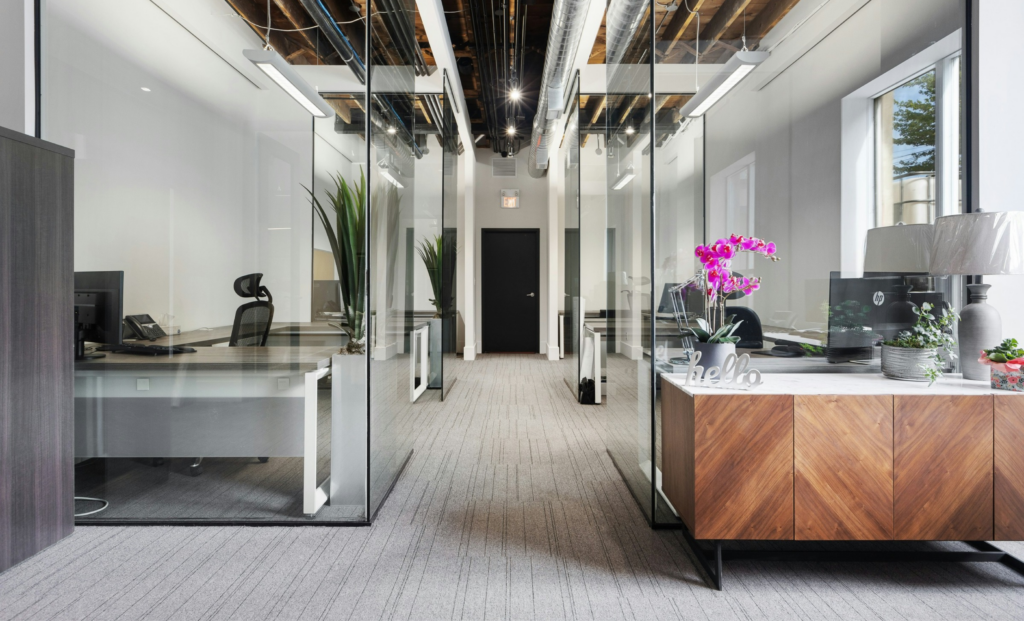
For businesses in Malta, asking whether a property is ready for the future can help identify potential limitations early and provide more time to adapt, expand or make a considered move when necessary.
Growth Is Not Just About More Desks
One of the easiest ways to measure office capacity is by counting how many additional desks can fit into the space. In practice, business growth is rarely that simple.
A larger team can create greater demand for meeting rooms, collaborative areas, private spaces, storage, parking and shared facilities. Departments may develop different requirements, while new ways of working can change how employees use the office throughout the day.
Growth may also introduce entirely new operational needs.
The question should therefore not simply be, “How many more people can we fit?” It should be, “Will this property still allow the business to work effectively as we grow?”
Consider How Easily the Space Can Adapt
A commercial property that can respond to change gives a business considerably more flexibility.
Layouts that can be reconfigured allow spaces to evolve as teams expand or departments change. Meeting areas may need to serve different purposes, while collaborative spaces, quiet areas and individual workstations may need to be adjusted as working habits develop.
Businesses should consider how easily their existing office can accommodate these changes without requiring significant disruption or investment every time their needs evolve.
Flexibility does not mean predicting exactly what the workplace will look like several years from now. It means creating enough room for the business to make changes when the time comes.
Look Beyond the Physical Space
Future capacity is also determined by what supports the office behind the scenes.
Connectivity, electrical capacity, climate control, access systems and other building infrastructure all contribute to whether a commercial property can support a growing business.
As teams become larger and businesses increasingly depend on technology, infrastructure that was once sufficient may begin to show its limitations.
Reviewing these systems before they become a constraint gives businesses an opportunity to understand what can be upgraded within the existing property and where more substantial changes may eventually be required.
Think About How Growth Affects Everyday Operations
More people using a building can change how it operates.
Entrances become busier. Parking requirements may increase. Meeting rooms are used more frequently. Shared areas experience greater demand. Building systems work harder.
These changes may happen gradually, making them easy to overlook.
Businesses planning for growth should therefore consider not only their individual office but also the wider building environment. Accessibility, common areas, facilities, building management and maintenance can all influence whether a property continues to provide a positive working experience as occupancy demands increase.
A well-managed commercial property can make that transition considerably smoother.
Does the Location Still Support the Business?
A company’s relationship with its location can also change as it grows.
What worked for a smaller team may not necessarily work for a larger workforce. Accessibility for employees, clients and suppliers can become increasingly important, while nearby services and amenities may have a greater influence on the everyday experience of the team.
Growth may also change the type of clients a business welcomes or the talent it hopes to attract.
Commercial property decisions should therefore consider whether the location continues to support not only where the business is today, but where it wants to be in the years ahead.
Know When to Adapt and When to Move
Preparing for growth does not automatically mean relocating.
In many cases, an existing office can continue to support a business through thoughtful changes to its layout, infrastructure or use of space. The important part is recognising those requirements early enough to make improvements strategically rather than reactively.
There will also be situations where the limitations of a property cannot reasonably be overcome.
Understanding this before the space becomes a serious constraint gives businesses more time to explore alternatives, assess commercial properties and plan a transition without unnecessary pressure.
The decision to remain, adapt or relocate should ultimately be based on what best supports the next stage of the business.
Make Property Part of the Growth Conversation
Commercial property should not become a consideration only when a business runs out of room.
Including the workplace in long-term planning allows companies to anticipate what they may need from their space, understand where limitations could emerge and make better-informed property decisions.
At GT Group, we understand that commercial buildings need to support businesses through different stages of their development. Well-managed, adaptable office environments can provide companies with the stability they need today while giving them greater flexibility for what comes next.
Because the right commercial property should not simply accommodate your business.
It should give it room to move forward.