
A commercial property is a long-term asset, but protecting its value requires more than responding to problems when they arise. Buildings are constantly in use, and everything from mechanical systems and common areas to finishes and external elements experiences wear over time.
The difference often lies in how early that wear is identified and addressed.
Proactive building maintenance focuses on preventing problems rather than simply reacting to them. Through regular inspections, planned servicing and ongoing attention to how a building is performing, property managers can identify potential issues before they develop into larger, more disruptive and more expensive problems.
For commercial property owners in Malta, this approach can play an important role in protecting both the performance of a building and its long-term value.
Reactive Maintenance Can Become Expensive
Every commercial building will require repairs at some point. The problem arises when maintenance only happens once something has already failed.
A minor issue that goes unnoticed can gradually affect other parts of the property. A small leak can lead to water damage. Equipment that is not serviced regularly may operate inefficiently before eventually failing. Minor deterioration to finishes or common areas can become significantly more expensive to correct if left unattended.
Reactive maintenance can also create unexpected costs because repairs need to be carried out urgently rather than being planned around budgets, contractors and building operations.
A proactive approach gives building managers greater control. Maintenance can be scheduled, resources can be allocated in advance and potential problems can often be resolved while they are still manageable.
Protecting the Building’s Systems
Commercial properties depend on numerous systems working together every day.
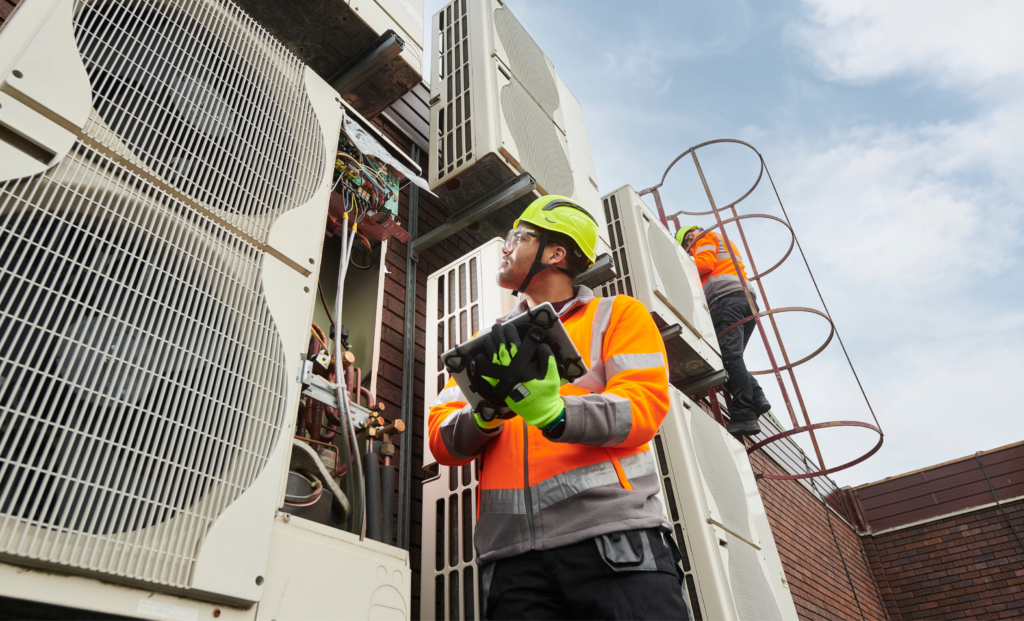
Air conditioning, electrical installations, plumbing, lifts, fire safety systems, access control and other infrastructure all require ongoing attention. Regular servicing helps these systems operate as intended while also providing opportunities to identify signs of deterioration before they result in breakdowns.
Preventative maintenance can also extend the useful life of building systems. Replacing equipment will eventually be necessary, but maintaining it properly can help avoid premature replacement and allow property owners to plan future investment more effectively.
This is particularly important in commercial buildings where an unexpected failure can affect multiple businesses at once.
Maintaining More Than What Is Behind the Scenes
Building maintenance is not limited to technical infrastructure.
Entrances, corridors, lifts, bathrooms, façades, lighting and other shared areas all contribute to how a commercial property is experienced. Small signs of neglect can quickly influence the overall impression of a building, even when the offices themselves are well maintained.
Regular attention to these spaces helps preserve the quality of the property and ensures that the environment continues to reflect the standard expected from a professionally managed commercial building.
It is often the everyday details that shape how tenants, employees and visitors perceive a property.
Supporting a Better Tenant Experience
Maintenance also has a direct impact on the businesses occupying a commercial building.
Tenants need a space that allows them to focus on their operations without repeatedly dealing with avoidable building issues. Reliable systems, well-maintained common areas and responsive property management all contribute to a smoother day-to-day experience.
Proactive maintenance reduces the likelihood of unexpected disruptions and allows necessary works to be planned more carefully around the people using the building.
Over time, this consistency can contribute to stronger tenant satisfaction and help create an environment businesses are more likely to want to remain in.
Better Maintenance Creates Better Information
One of the less visible advantages of proactive maintenance is the information it provides.
Regular inspections and maintenance records allow property managers to understand how different parts of a building are performing over time. Recurring issues can be identified, equipment performance can be monitored and future maintenance requirements can be anticipated.
Instead of making decisions only when something goes wrong, owners and property managers can use this information to plan budgets, prioritise improvements and determine when repairs, upgrades or replacements will be required.
This turns maintenance from a series of isolated tasks into part of a wider building management strategy.
Preserving Long-Term Commercial Property Value
The condition of a commercial property influences how it performs as an asset.
A building that has been consistently maintained is better positioned to remain functional, attractive and competitive over time. It can also reduce the likelihood of substantial remedial works being required later because smaller issues have been addressed throughout the property’s lifecycle.
For owners, this means maintenance should not simply be viewed as an operating expense. It is part of protecting the investment itself.
The objective is not to keep a building looking new indefinitely. It is to ensure that the property continues to perform as intended and that deterioration is managed before it begins to affect its usability, reputation or value.
A Proactive Approach to Property Management
At GT Group, our approach to commercial property management goes beyond responding when something needs attention.
Through the ongoing management of our commercial properties, we see first-hand how regular inspections, preventative maintenance and attention to everyday building performance contribute to better outcomes over time.
A well-managed building is one where potential issues are recognised early, maintenance is planned rather than postponed and the needs of the businesses using the property remain part of the decision-making process.
Because protecting commercial property value does not begin when something goes wrong. It comes from looking after the building every day.
Building for more.