
Businesses need more than an address. They need the right environment in which to operate, employ people, meet clients and plan for the future.
As Malta’s business community evolves, the commercial properties supporting it need to evolve too. Modern office space, business centres, industrial developments and other commercial buildings form part of the infrastructure that allows companies of different sizes and sectors to establish themselves and grow.
The role of commercial development is therefore wider than simply creating additional floor space.
Well-planned commercial property can support businesses through better locations, reliable infrastructure, flexible workspaces and professional building management. It can also contribute to the long-term development of the areas in which businesses operate.
At GT Group Malta, our experience across property development, construction and commercial property management has shown us how closely the quality of a building can be connected to the experience of the businesses inside it.
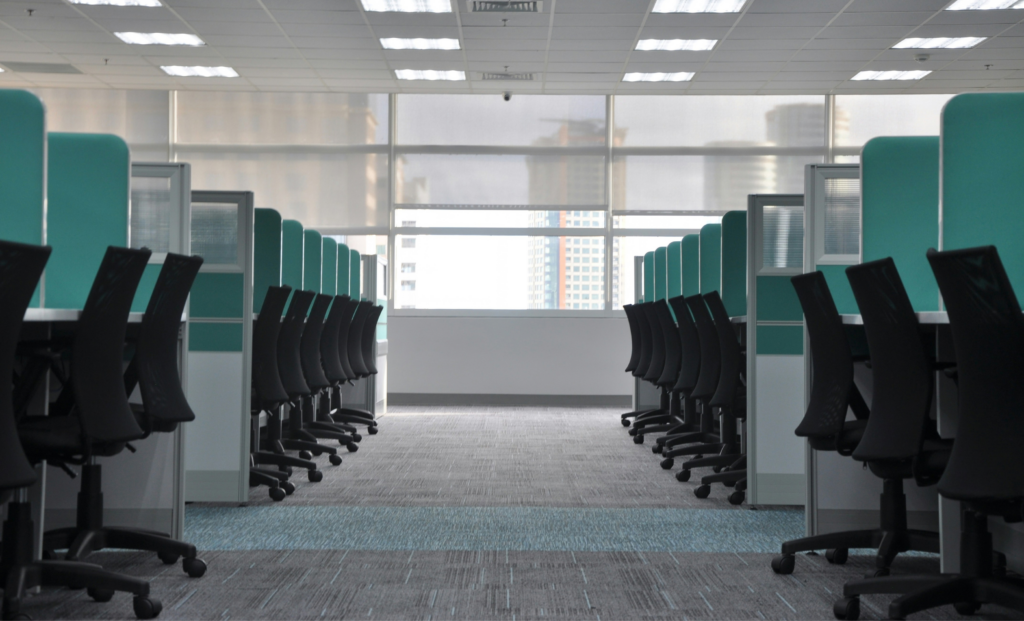
Commercial property is part of business infrastructure
When we think about infrastructure, roads, utilities and telecommunications often come to mind first. Commercial buildings are another important part of that picture.
Every business needs a physical environment suited to its operations. For some, that means modern office space with strong connectivity and flexible layouts. Others may require industrial premises, storage facilities or specialist spaces.
The requirements vary, but the principle remains the same.
Commercial developments provide the physical framework within which businesses operate.
A well-planned business centre can bring multiple companies together in one professionally managed environment, while larger commercial and industrial developments can provide the scale required for businesses with more complex operational needs.
As companies change, the property market needs to offer spaces capable of responding to those different requirements.
Modern businesses need adaptable workplaces
The way businesses use office space continues to change.
Hybrid working, growing teams, evolving technology and changing organisational structures mean that an office designed around one fixed way of working may become restrictive over time.
This makes flexibility increasingly important in commercial property development.
Businesses may need to create additional meeting rooms, reorganise departments, introduce collaborative areas or accommodate a larger team. Commercial buildings that allow spaces to be adapted can make these changes easier.
For developers, this means thinking beyond the needs of the first tenant.
Flexible layouts, appropriate infrastructure and accessible building services can help a commercial property remain useful to different businesses throughout its lifespan.
That adaptability supports tenants while also helping owners protect the long-term relevance of their property.
Location affects how businesses operate
Choosing an office location in Malta is not simply a question of selecting a postcode.
Accessibility can influence employees, clients, suppliers and daily operations. Connections to Malta’s road network, surrounding services and parking availability can all affect how practical a commercial location is.
For businesses employing people from different parts of the island, centrally positioned commercial areas can offer practical advantages.
At GT Group, our Ewropa Business Centre in Birkirkara and Capital Business Centre in San Ġwann are examples of commercial environments located within established business areas.
But location alone is only part of the equation.
A strong commercial development needs to combine accessibility with a building that works efficiently once people arrive.
Infrastructure needs to keep pace with business
Modern businesses depend heavily on infrastructure that may be largely invisible during an initial office viewing.
Electrical capacity, connectivity, cooling and ventilation, access systems, security and other building services all contribute to the daily operation of a commercial property.
When these systems work reliably, businesses can concentrate on their own operations. When they do not, even relatively small building issues can become disruptive.
Commercial property development therefore needs to consider not only how a building looks, but how it performs.
As technology develops, buildings also need enough flexibility to accommodate future upgrades. Infrastructure that can be maintained, expanded and adapted gives businesses greater confidence that their premises will continue supporting them as their requirements change.
Business centres can create professional environments
A business does not experience only the space inside its own office.
Entrances, lifts, common areas, parking, landscaping, signage and shared facilities all contribute to the overall working environment.
These areas also influence how visitors and clients perceive the businesses operating within the property.
Professionally managed business centres can provide a consistent standard across these shared environments while allowing individual companies to create workplaces that reflect their own identity.
This becomes particularly important in multi-tenant commercial buildings, where effective management needs to balance the requirements of several businesses at once.
The quality of the wider environment can become part of the experience of working from that address.
Commercial development continues after construction
Completing a commercial building is an important milestone, but it is not the end of its story.
Once occupied, the building needs to perform every day.
Maintenance, cleaning, security, building systems, shared areas and tenant communication all need ongoing attention. This is where professional commercial property management becomes an important part of successful development.
At GT Group, our involvement across development, construction and property management gives us visibility over different stages of a building’s lifecycle.
Managing commercial buildings also provides valuable feedback. Seeing how spaces perform once occupied can highlight which design and construction decisions work particularly well and where future projects could be improved.
In that sense, property management can help inform better property development.
Supporting businesses means planning for growth
Commercial developments should not only respond to existing demand. They should consider how businesses may change in the years ahead.
A company taking on office space today may expand its team, introduce new technology or reorganise its operations during the course of its lease.
The commercial property itself needs to be capable of supporting that journey where possible.
This does not mean every building can accommodate every future requirement. It means designing commercial spaces with adaptability, maintainability and long-term performance in mind.
For businesses, this can reduce the pressure to relocate whenever circumstances change. For property owners, it can help commercial buildings remain relevant to a wider range of tenants.
Commercial developments are part of Malta’s long-term growth
Commercial property and business growth are closely connected.
Businesses need suitable premises in which to operate, while successful commercial developments depend on understanding what businesses require from their working environments.
When these priorities align, commercial property can contribute to stronger business infrastructure, more functional workplaces and commercial areas capable of supporting different industries and organisations.
At GT Group Malta, we approach commercial property development with that longer-term relationship in mind. From construction and office space to property management and maintenance, each stage contributes to how successfully a building supports the people and businesses using it.
The best commercial developments do more than provide space.
They create environments where businesses have the infrastructure, flexibility and support they need to keep moving forward.