
Walk through any town or city in Malta and you will notice something interesting. Some buildings continue to look and perform remarkably well decades after they were completed, while others begin showing signs of wear much sooner. The difference is not always age. In many cases, a building that is fifty years old can outperform one that is only ten.
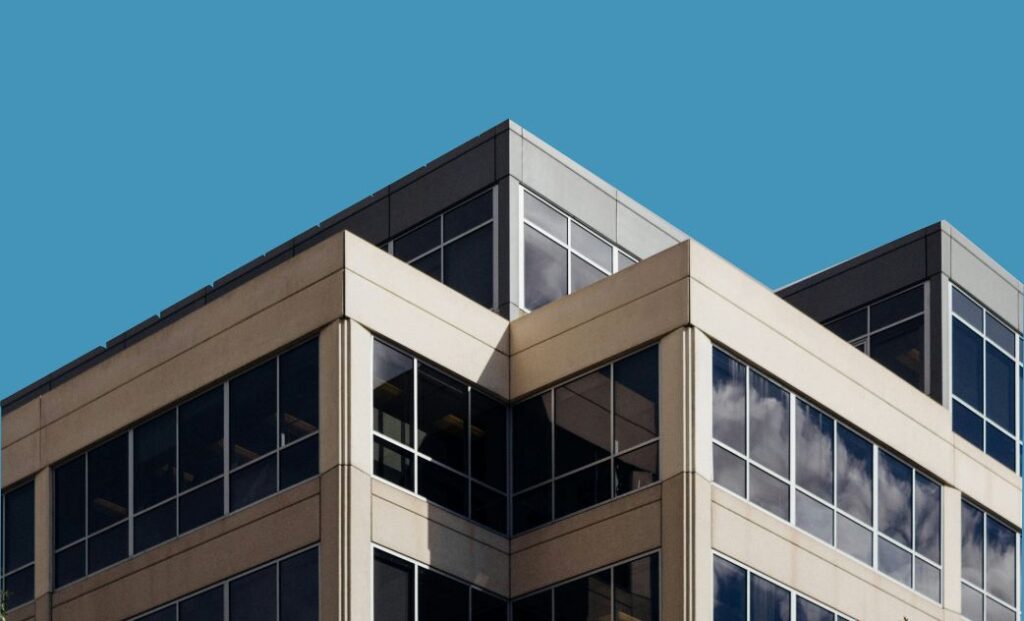
This raises an important question. Why do some buildings age better than others?
The answer is rarely linked to a single factor. Long term building performance is shaped by a combination of design decisions, construction quality, material selection, maintenance practices, and the willingness to think beyond immediate completion.
At GT Group, we believe that successful buildings are not judged only by how they look when the project is finished. They should also be evaluated by how well they continue to perform years later. A building that ages well protects property value, reduces maintenance costs, and creates a better experience for the people who use it every day.
Good buildings start with good planning
The lifespan of a building is influenced long before construction begins. Many of the decisions that determine long term performance are made during the planning and design stages.
This includes how the building responds to its environment, how services are integrated, how spaces are used, and how future maintenance will be carried out. Buildings designed with long term usability in mind tend to adapt more effectively as needs evolve.
By contrast, projects that prioritise short term convenience over long term function often create problems that become more visible over time.
Good planning does not eliminate maintenance requirements. However, it creates a stronger foundation for managing them effectively.
Construction quality still matters
While modern technology has improved many aspects of construction, quality workmanship remains one of the most important factors affecting how a building ages.
A well-built structure tends to perform consistently over time. Attention to detail during construction often reduces the likelihood of issues such as water infiltration, cracking, service failures, and premature deterioration.
The opposite is also true. Small shortcuts taken during construction may not be immediately visible, but they often become apparent years later when repairs become necessary.
At GT Group, we view construction quality as an investment in the future performance of a building rather than simply a requirement during delivery.
Material selection affects long term durability
Not all materials age in the same way. Some improve with time, while others deteriorate quickly when exposed to daily use and environmental conditions.
Selecting materials should involve more than appearance and initial cost. Durability, maintenance requirements, and suitability for the intended use all play a role in long term performance.
In commercial buildings, high traffic areas require materials capable of handling constant use. In residential properties, finishes should support everyday living without excessive maintenance.
Buildings that age well often benefit from material choices that prioritise performance over trends. This approach creates spaces that remain functional and attractive long after completion.
Maintenance is often the biggest differentiator
One of the most overlooked reasons some buildings age better than others is maintenance.
Even the highest quality building will eventually deteriorate without ongoing care. Conversely, many older properties continue to perform well because they have been consistently maintained throughout their lifespan.
Maintenance should not be viewed as a reaction to problems. Effective property management focuses on prevention. Regular inspections, planned servicing, and timely repairs help prevent small issues from becoming larger and more expensive ones.
In Malta’s commercial property sector, proactive maintenance can significantly extend the lifespan of building systems while improving the experience for tenants and visitors.
At GT Group, we believe that property management plays a central role in preserving the long term value of any building.
Buildings need to adapt over time
The way people use buildings changes. Workplace expectations evolve. Technology advances. New regulations emerge. A building that cannot adapt often struggles to remain relevant.
One reason some commercial properties continue to perform well for decades is their ability to accommodate change. Flexible layouts, accessible infrastructure, and adaptable services allow buildings to evolve alongside their occupants.
This principle applies equally to residential properties. Homes that can be updated and reconfigured without compromising their structure tend to retain their appeal over time.
Buildings that age successfully are not necessarily those that remain unchanged. They are the ones designed to accommodate change without losing functionality.
Environment and climate play a role
Malta’s climate presents unique challenges for buildings. High temperatures, humidity, strong sunlight, and exposure to coastal conditions all place additional demands on materials and building systems.
Properties that age well often incorporate design features that respond effectively to these conditions. Natural ventilation, shading, durable materials, and efficient building systems can all contribute to improved long term performance.
Ignoring environmental factors during design and construction may not create immediate problems, but the impact often becomes visible over the years.
This is why climate-responsive design remains an important part of creating sustainable and resilient buildings in Malta.
Building management influences perception
How a building is managed affects not only its physical condition but also how it is perceived.
Clean common areas, responsive maintenance teams, effective communication, and attention to detail contribute to the overall experience of occupying a building. Tenants, visitors, and property owners notice these factors more than they often realise.
A well-managed commercial property typically feels more valuable, more professional, and more reliable. This perception can directly influence tenant retention and long term occupancy.
At GT Group, we understand that building management is not separate from building quality. The two are closely connected.
Longevity is rarely accidental
Buildings that age well are rarely the result of luck. They are usually the outcome of consistent decisions made throughout the life of the property.
Good planning, quality construction, appropriate materials, proactive maintenance, and professional property management all contribute to long term performance. Remove any one of these elements and the building becomes more vulnerable to deterioration over time.
The most successful buildings are not necessarily the newest or the most expensive. They are the ones that continue to serve people effectively year after year.
Building for the future
At GT Group, we believe the true measure of a building is not how it performs on the day it is completed. It is how it performs years later.
Whether developing commercial spaces, managing properties, or restoring existing buildings, our focus remains the same. Create environments that are structured, durable, and capable of standing the test of time.
Because buildings that age well do not simply retain their appearance. They retain their value, functionality, and relevance for generations to come.