
In construction and renovation projects, the relationship between contractors and interior designers often determines how smoothly a project moves from concept to completion. When collaboration works, projects tend to be more organised, more efficient, and better resolved in the final result. When communication breaks down, delays, rework, and unnecessary tension usually follow.
In Malta’s construction industry, where timelines are often compressed and projects involve multiple moving parts, coordination between contractors and interior designers is becoming increasingly important. Modern projects are no longer focused solely on structure. Clients expect spaces that function well, feel considered, and support everyday living or business operations in a practical way.
At GT Group, we see collaboration between design and construction as a fundamental part of successful project delivery. Interior designers and contractors approach projects from different perspectives, but both are essential to achieving a strong outcome.
Understanding the role of the interior designer
One of the most common mistakes on construction projects is assuming that interior design is only about decoration or finishes. In reality, interior designers play a much broader role within a project.
Interior design influences layout, circulation, lighting, material coordination, storage planning, furniture integration, and the overall usability of a space. These decisions affect construction directly. Electrical points, plumbing routes, ceiling details, joinery dimensions, and service coordination are all shaped by the interior design process.
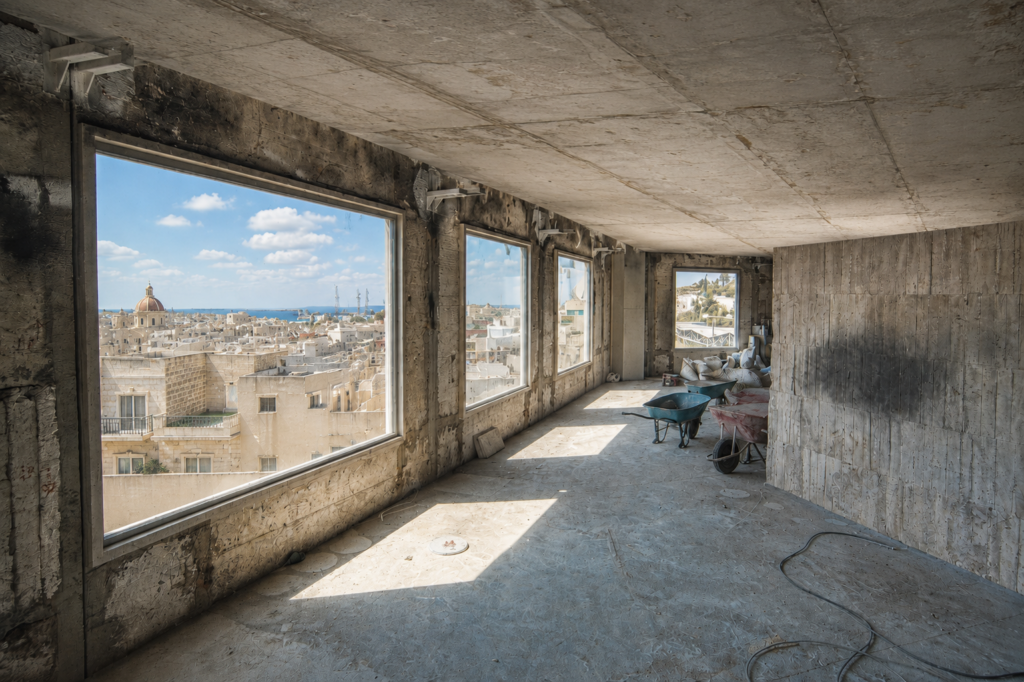
When contractors understand this from the beginning, coordination becomes more efficient. Instead of viewing design decisions as late stage aesthetic changes, they can approach them as part of the technical planning process.
Why early coordination matters
Projects tend to run into problems when contractors and interior designers begin working in isolation. If interior design decisions are introduced too late, contractors may already have completed structural or service works that now require changes.
This often leads to unnecessary demolition, delays, and additional costs. In many cases, the issue is not the design itself, but the timing of communication.
Early coordination creates clarity. Contractors can understand how the final space is intended to function before execution begins. Interior designers can also work with a realistic understanding of construction sequencing, structural limitations, and installation requirements.
We believe that successful renovation and construction projects begin with aligned planning. The earlier coordination happens, the fewer problems arise during execution.
Construction knowledge improves collaboration
Strong collaboration works both ways. Interior designers benefit from understanding construction constraints, while contractors benefit from understanding design intent.
A contractor who understands why a particular material detail matters or why circulation has been planned a certain way is more likely to protect the integrity of the design during execution. Likewise, designers who understand practical construction sequencing can make decisions that are realistic and buildable.
This balance is important in Malta, where renovation projects often involve older structures, load bearing walls, and site limitations that require flexibility from all parties involved.
Good collaboration is not about one side controlling the project. It is about combining technical knowledge with design thinking to achieve a result that works properly in practice.
Communication prevents costly mistakes
Clear communication remains one of the most valuable tools on any project. Many construction issues do not come from technical inability. They come from assumptions, missing information, or unclear expectations.
Regular coordination meetings between contractors, architects, and interior designers help identify potential issues early. This allows adjustments to happen before work progresses too far.
For example, changes to lighting layouts, custom joinery dimensions, or ceiling details may seem minor on paper, but they can affect multiple trades on site. Addressing these elements early reduces disruption later.
At GT Group, project management focuses heavily on communication and coordination because small misunderstandings during construction often become expensive problems over time.
Respecting timelines and sequencing
Construction projects rely on sequencing. Different trades need to complete their work in the correct order for the project to move efficiently.
Interior designers who understand sequencing can prepare drawings and selections in line with construction progress, helping contractors avoid delays. Contractors who understand design dependencies can also plan works more realistically rather than rushing incomplete areas.
This level of coordination becomes especially important in high end residential renovations and commercial fit outs where detailing and finishes require precision.
Efficient projects are rarely the result of speed alone. They are usually the result of preparation and timing.
Protecting quality through collaboration
Quality construction depends on more than workmanship. It also depends on how well decisions are coordinated throughout the project.
A technically strong build can still feel unresolved if the interior planning has been compromised. Similarly, a strong design concept can fail if execution lacks attention to detail.
When contractors and interior designers work collaboratively, the final result tends to feel more cohesive. Materials align properly, layouts function naturally, and spaces feel intentional rather than pieced together.
We approach projects with this broader perspective. The objective is not simply to complete construction works, but to deliver spaces that perform well visually, technically, and practically.
The future of construction is more collaborative
Construction and interior design are becoming increasingly interconnected. Clients today expect spaces that combine structural quality with thoughtful design and efficient functionality.
This shift means contractors can no longer treat interior design as a secondary stage of the process. It is part of the project from the beginning and should be coordinated accordingly.
In Malta’s evolving construction landscape, the projects that stand out are usually the ones where communication, planning, and collaboration are strongest.
At GT Group, we believe that successful projects are built through structure, clarity, and coordinated expertise. Contractors and interior designers bring different strengths to the table, but when both work towards the same objective, the result is stronger for everyone involved.
The best projects are not created through isolated decisions. They are created through collaboration that is planned properly from the start.