
At GT Group, we do not see renovation as a secondary option to new development. Some of the most valuable properties in Malta are existing buildings, particularly traditional townhouses that carry architectural character, structural integrity, and long-term potential.
We are currently preparing a number of renovation projects across Malta, focused on restoring traditional properties located within established urban areas and Urban Conservation Areas. These are not standard refurbishments. They are structured restoration projects that require planning discipline, technical understanding, and careful coordination from the outset.
Working within Malta’s existing built fabric
Traditional Maltese properties are defined by load-bearing limestone construction, thick masonry walls, and spatial layouts that respond to climate and context. These buildings cannot be approached in the same way as modern developments.
Each project begins with an understanding of the existing structure. Before any intervention is considered, the building is analysed in terms of stability, material condition, and spatial potential. This allows decisions to be made with clarity rather than assumption.
The objective is consistent across all projects: to preserve what holds value, improve what is necessary, and ensure the property performs properly over time.
Planning Authority permits and heritage compliance
Many of these upcoming projects fall within areas where planning and heritage regulations are a central part of the process. Securing Planning Authority approval, often with input from Heritage Malta, is a defining stage in the project timeline.
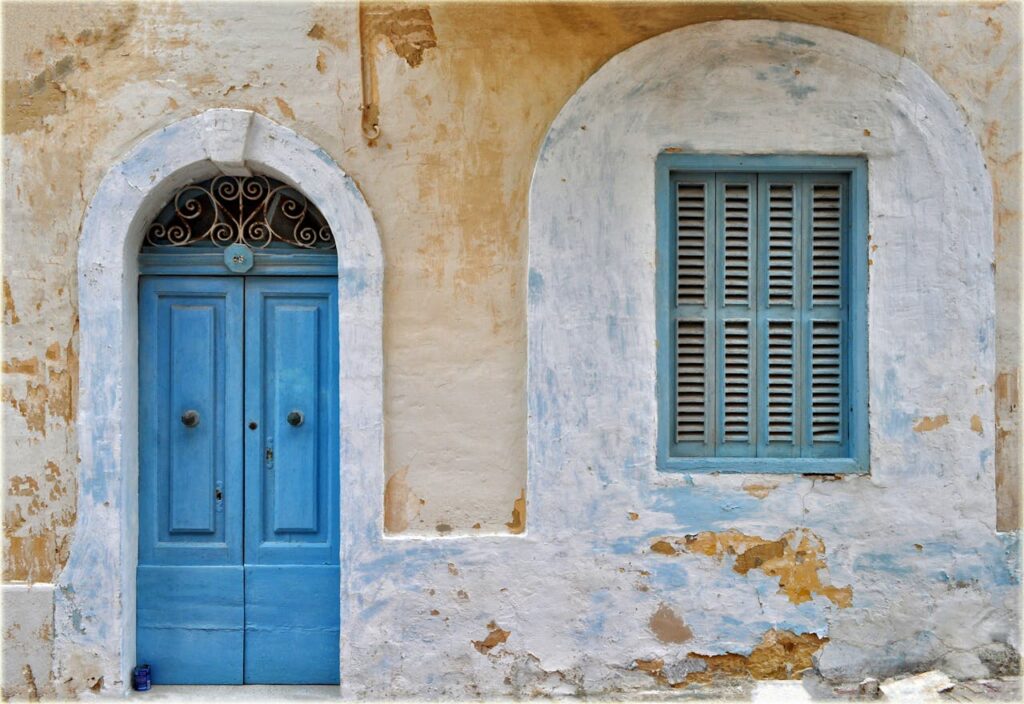
Rather than treating compliance as a constraint, we approach it as a framework that guides the intervention. Clear permits establish boundaries, protect architectural value, and ensure that restoration is carried out responsibly. This structured approach reduces risk during construction and leads to more controlled outcomes.
Why design is the foundation of every renovation
In Malta, it is common for renovation projects to begin with demolition before a complete strategy is defined. This often creates complications that could have been avoided with proper planning.
At GT Group, design comes first. Each project goes through a detailed design phase where architectural, structural, and spatial decisions are resolved before site works begin. This process defines what is retained and restored, how the layout is improved, how modern services are integrated, and how the building ultimately functions in daily use.
By resolving these factors early, the construction phase becomes more efficient and predictable.
Coordinating architecture and interior design from the start
A key part of our approach is the early collaboration between architecture and interior design. These disciplines are developed together, not sequentially.
This ensures that spatial planning, circulation, lighting, and services are aligned from the beginning. In heritage properties, this coordination is particularly important, as interventions must work within existing structural constraints without compromising the building’s character.
The result is not only a coherent design, but a space that is practical, comfortable, and suited to modern living.
Balancing restoration and adaptation
Traditional properties often include architectural elements that cannot be recreated once removed. Preserving these features is essential to maintaining long-term value.
At the same time, the building must meet current expectations in terms of usability, comfort, and performance. Each project therefore operates within a careful balance, retaining original character and structure while introducing contemporary elements where necessary and improving overall functionality.
This balance defines successful renovation in Malta. It is not about replicating the past, but about extending its relevance.
Looking ahead
As these projects move from design into construction, we will be sharing selected updates that reflect the process behind each renovation.
The focus remains consistent across all projects: structured planning, disciplined execution, and long-term performance.
Restoring traditional Maltese properties is not about quick transformation. It is about understanding what exists, working within its constraints, and delivering spaces that continue to hold value well into the future.